

The difference
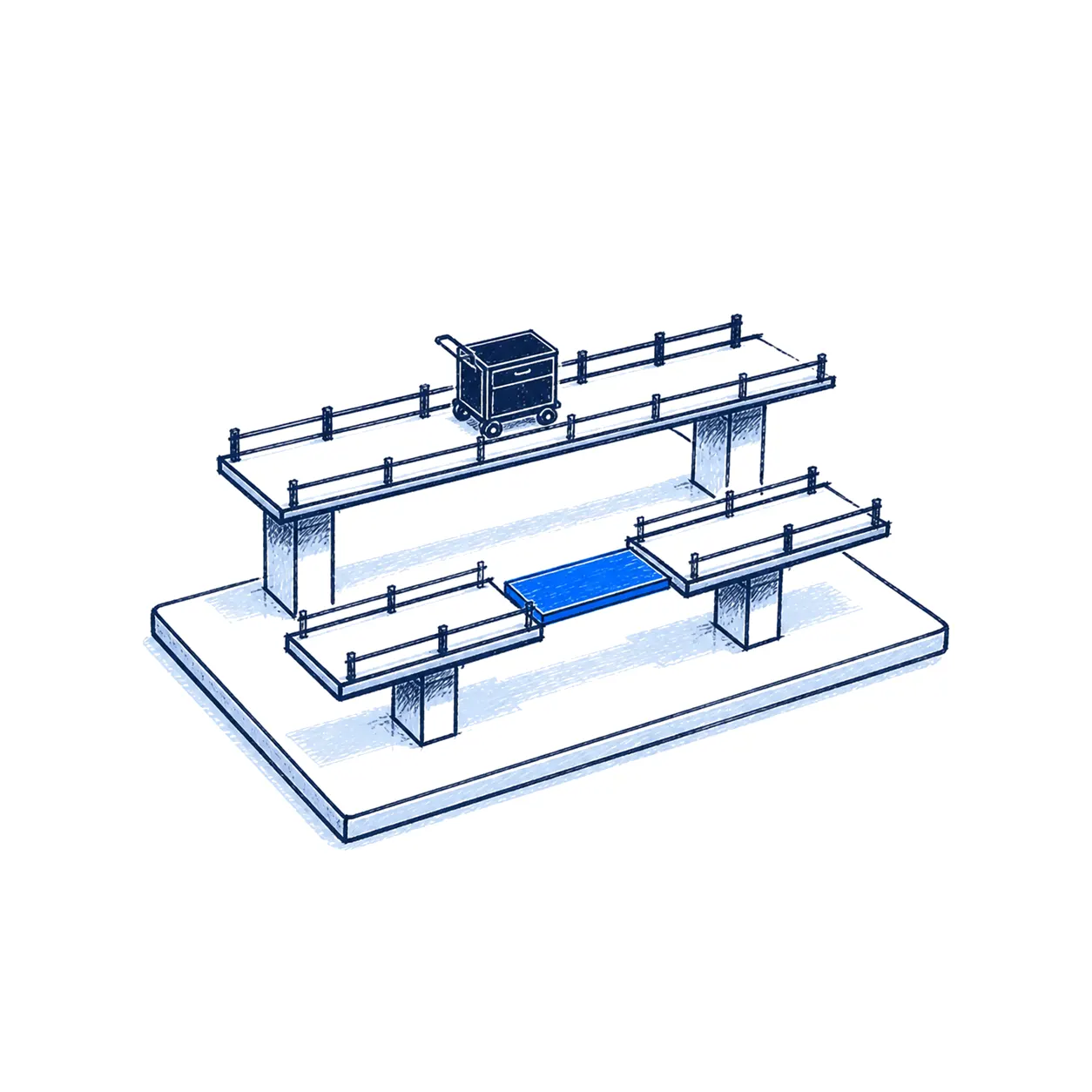
Business continuity is about keeping the business operating during disruption. Disaster recovery is about restoring systems and data after disruption.
Why the terms get mixed up
Both are part of resilience, so people use them interchangeably even though they answer different questions.
What continuity covers
Operational focus
People, processes, manual workarounds, customer communication, alternate suppliers, and the ability to keep serving customers.
What disaster recovery covers
Technical focus
Backups, restore procedures, recovery time, recovery point, redundancy, and testing.
Why reviewers ask
What they want to know
They want confidence that the company can survive an outage without guessing its way through the response.
Testing is where plans become credible
A backup that has never been restored is a hope
Teams should test the specific recovery actions they expect to rely on, not only confirm that a backup job succeeded. A useful test can reveal missing credentials, undocumented dependencies, unrealistic timelines, or data that was backed up but cannot be used as expected.
Tabletop the business decision too
Technical recovery exercises should be paired with continuity discussions: Who tells customers? What work pauses? Which services get priority? What happens if a vendor is unavailable longer than expected? These questions make the resilience plan practical rather than aspirational.
Business continuity keeps the organization moving. Disaster recovery repairs the systems that stopped. They belong together, but separating the questions makes each plan much easier to own and improve.
End of article
Use the optional notes and resources below to put this explanation to work.
Helpful Tools
Resources for the next step in this article.